
BEST WISHES FROM

– Tanisha Saxena (cbedit@imaws.org)
India imposes high import duties and tariffs on many food products to protect its domestic agricultural sector. These tariffs can significantly increase the cost of imported food items, making them less competitive in the local market. The food importers association, Forum of Indian Food Importers (FIFI), urges the commerce ministry and FSSAI to slightly ease the compliance barriers.
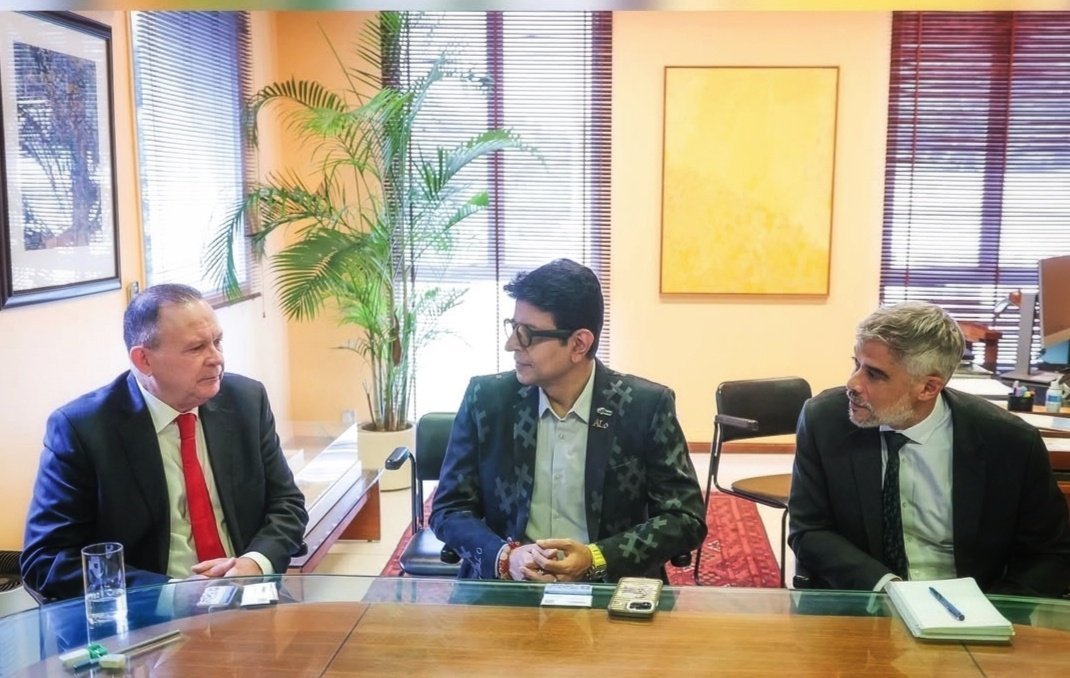
As FIFI celebrates its 15th anniversary, Kitchen Herald sat down with Amit Lohani, Founder and Director of FIFI, to discuss the challenges and opportunities within India’s evolving F&B landscape—from excise complexities and food safety to globalization and the future of trade.

In recent years, several Indian food products including Everest Masala have faced bans in countries such as Singapore, Malaysia, and others due to safety and quality concerns. For instance, in April 2024, Singapore and Hong Kong suspended sales of certain curry powders produced by Indian companies MDH and Everest after detecting elevated levels of ethylene oxide, a carcinogenic pesticide. This led to similar actions by other nations, including the Maldives, and prompted investigations by food safety authorities in the United States, European Union, Bangladesh, and Australia.
Lohani comments, “Every nation possesses the sovereign right to conduct tests and reject samples within its jurisdiction, as per its regulatory frameworks. However, imposing blanket bans is not a constructive solution. Instead, a more positive and pragmatic approach would be to allow companies the opportunity to enhance their products, ensuring they meet stringent quality standards and adhere to internationally recognized norms. This collaborative mindset fosters improvement, promotes compliance, and ultimately benefits both the industry and consumers.”
The Complexities of India’s Excise and Supply Chain
While India’s beverage sector is booming, excise regulations remain a significant challenge for alcohol importers. “Unlike most other commodities, excise duties on alcohol are regulated at the state level rather than federally. This creates vast discrepancies in pricing,” Lohani explains.
A prime example? The cost of a bottle of Johnnie Walker Black Label varies widely across states—₹2,200 in Haryana, ₹2,900 in Delhi, and ₹4,500 in Karnataka. “This inconsistency fuels arbitrage, where people buy liquor in one state and illegally transport it to another. A centralized excise policy could resolve this, much like what exists for other goods in India.”
For the broader food import sector, logistics have improved significantly thanks to advancements in cold chain infrastructure and strategic partnerships. “Today, perishable goods—from dairy and meat to confectionery—have more efficient distribution channels. Indian Railways has also been instrumental in transporting temperature-sensitive products via Rajdhani and Shatabdi express trains, offering a cost-effective alternative to air freight.”
The Push for Food Safety and Compliance
As India’s food ecosystem expands, food safety remains a top priority. FIFI collaborates with FSSAI to ensure stringent quality standards, conducting regular training sessions and advocating for best practices.
“95% of all imported food undergoes mandatory testing by FSSAI. Without a certified lab report and an NOC (No Objection Certificate), these products cannot enter the country. We also work with international safety standards such as HACCP (Hazard Analysis and Critical Control Points) to maintain best-in-class food safety protocols.” he says.
Food recalls, while often viewed negatively, are actually a sign of a well-functioning regulatory system. “Even in developed markets like the U.S., recalls happen frequently due to labeling errors or minor ingredient deviations. The key is to have mechanisms in place to act swiftly and transparently,” he adds.
Tariff Challenges and India’s Import Policy Evolution
Since 2008, India’s trade policies have seen significant shifts, particularly in balancing import tariffs and domestic manufacturing. “Excessive tariffs often lead to misclassification of goods, where importers use alternative HSN codes to reduce duties. While we understand the need to protect domestic industries, high tariffs can stifle competition,” Lohani notes.
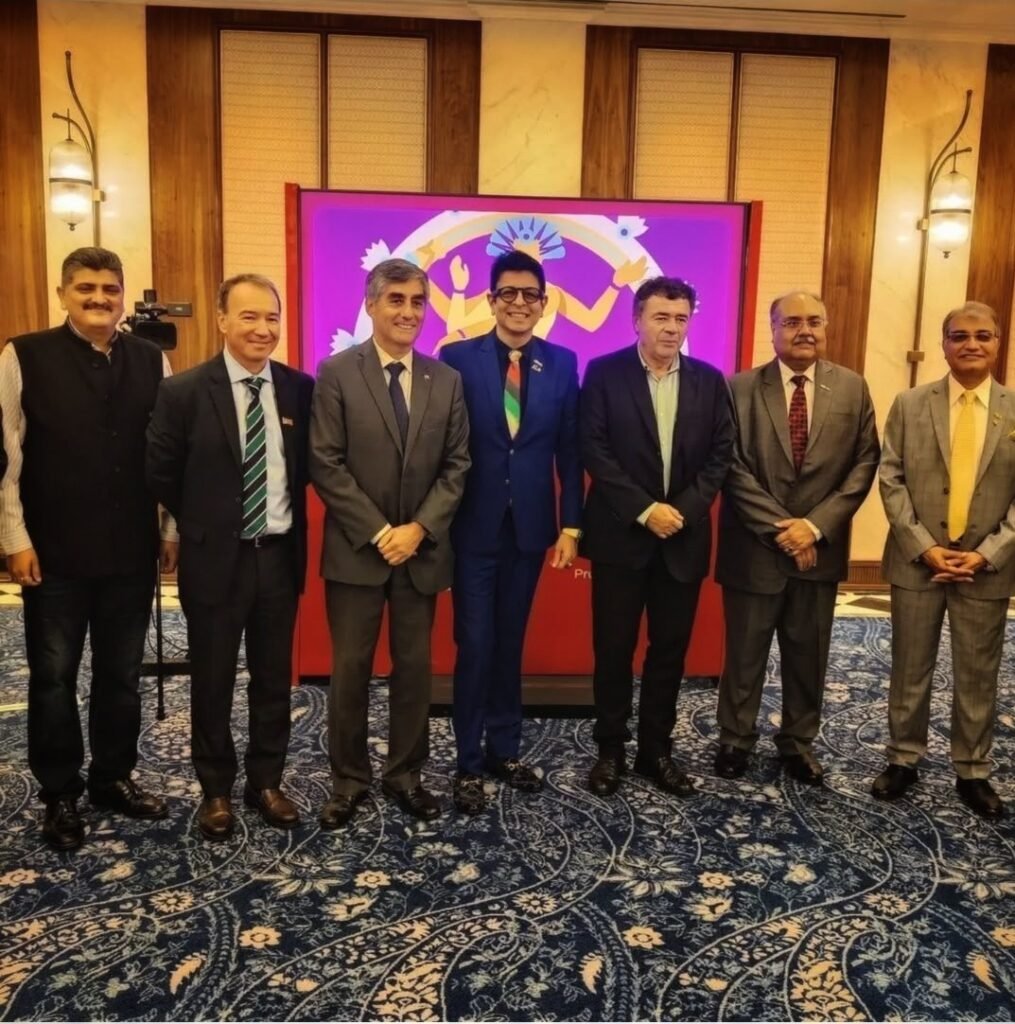
However, India’s Free Trade Agreements (FTAs) with countries like Australia and the UAE are opening up new opportunities. “These agreements allow for more reasonable tariffs, making high-quality products more accessible to Indian consumers at fairer prices.”
One example of this shift is mayonnaise. “Twenty years ago, India relied entirely on imported mayonnaise. Today, local manufacturers dominate the market to the extent that international brands have largely stopped importing. The same has happened with blueberries and tofu, which were once niche imports but are now widely produced domestically.”
These shifts reflect the industry’s natural evolution. “When global products enter the market, they drive innovation and improve quality among local manufacturers,” he says.
Regulatory Reform: What India Needs to Stay Competitive
According to Lohani, the Ministry of Commerce should proactively engage with stakeholders involved in exporting finished food products that rely on imported ingredients. This collaborative approach would foster bilateral trade, facilitate the rationalization of duties on these products, and ultimately enhance the competitiveness of Indian exporters.
He adds, “To further support the growth of the food export sector, the Food Safety and Standards Authority of India (FSSAI) should reconsider its sampling fees, which are currently exorbitant, with some containers incurring fees of ₹2-3 lakhs solely for product testing.”
Additionally, addressing non-tariff barriers should be a priority. This includes:
* Streamlining NOC Validity: Simplifying and standardizing the process for obtaining and renewing No Objection Certificates (NOCs) to reduce bureaucratic hurdles.
* Aligning with International Standards: Ensuring that Indian food safety regulations and standards align with global benchmarks to facilitate smoother trade and reduce compliance costs for exporters.
“By tackling these challenges, India can unlock its full potential in the global food export market, boosting economic growth and creating new opportunities for stakeholders across the sector,” says Lohani.
India’s Role in Global F&B: A Balancing Act
As India integrates further into global markets, the debate between protectionism and open trade continues. Lohani acknowledges that while safeguarding Indian industries is essential, exposure to global benchmarks is equally important.
“Take pasta—twenty years ago, most Indians only knew macaroni, and even that was imported. Today, pasta is manufactured in Gujarat and Madhya Pradesh at scale. Similarly, Ferrero Rocher, a globally recognized brand, now has a manufacturing facility in India. These success stories happen only when markets open up.”
The road ahead for India’s F&B industry lies in equilibrium. “India cannot operate in isolation. We are deeply interdependent with global supply chains, and the more we integrate, the more we grow,” he concludes.
FIFI at 15: The Industry’s Growing Voice
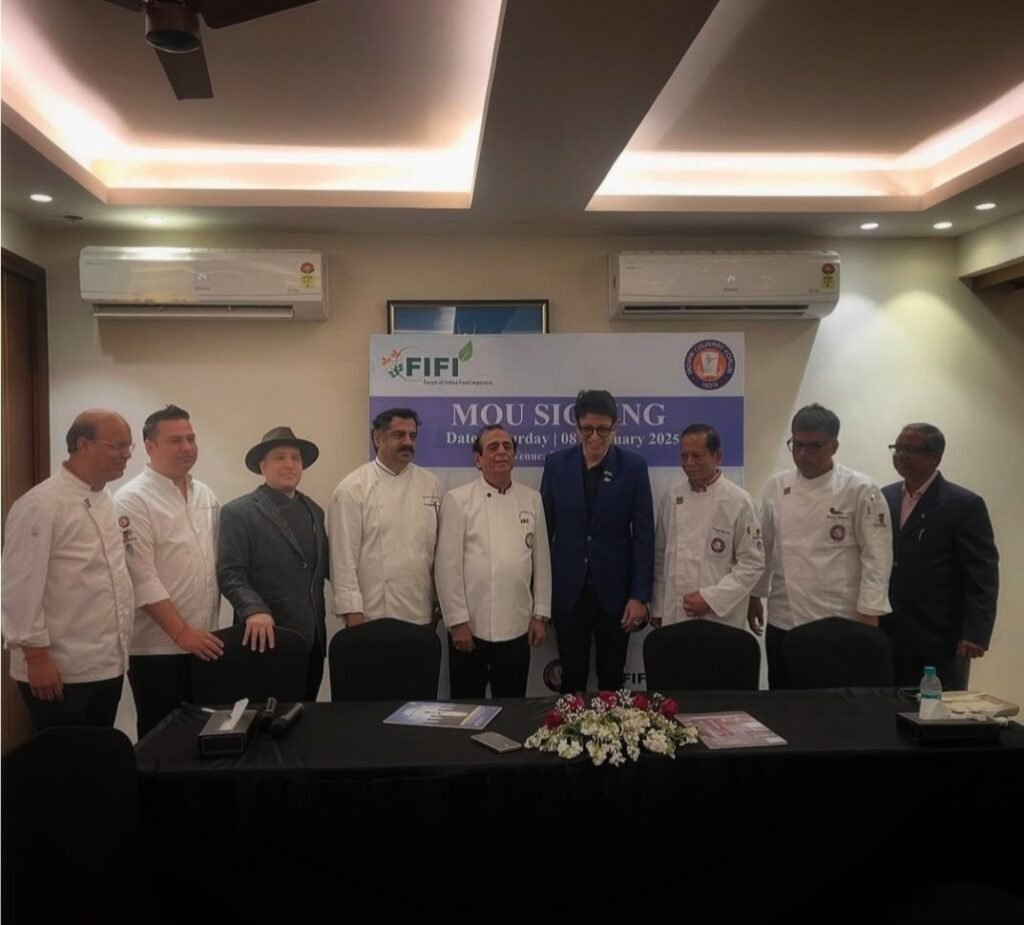
FIFI was conceptualized in 2008, around the same time the Food Safety and Standards Authority of India (FSSAI) was established. Since then, it has worked closely with government agencies and industry stakeholders to facilitate smooth imports while ensuring compliance with India’s evolving regulatory framework.
“Today, FIFI has around 7,000 members across the F&B industry,” Lohani shares. “Collectively, our members import approximately $7 billion worth of food products annually. Beyond that, an additional $3 billion is added through domestic manufacturing and value addition. A significant portion of these imports includes raw ingredients used in dairy, bakery, and hospitality.”
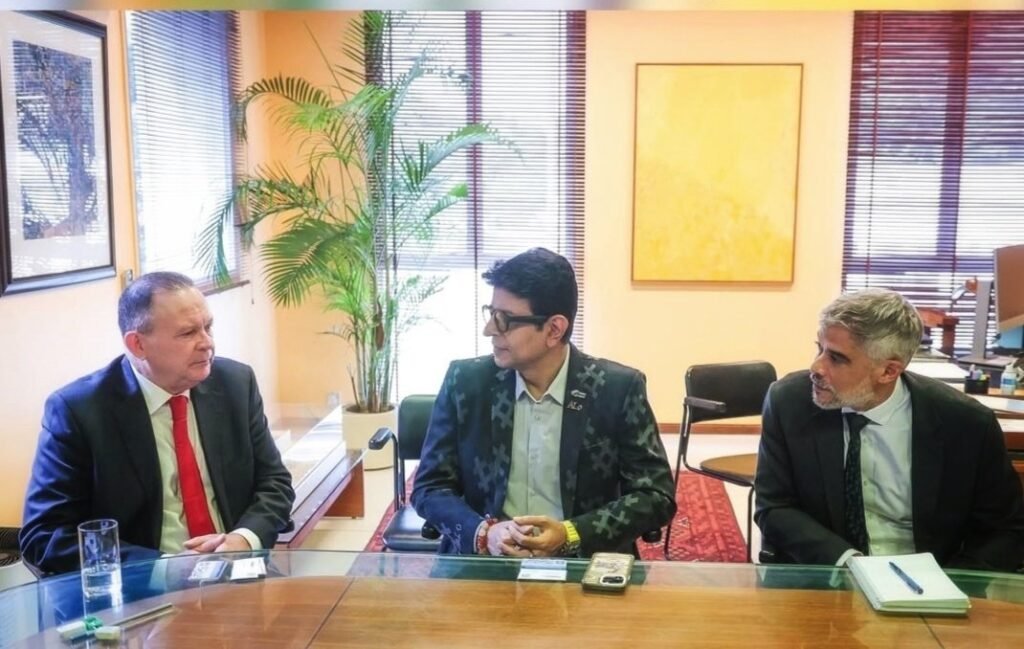
This year, FIFI marked a milestone with its 15th anniversary at AAHAR, one of India’s premier F&B exhibitions. Their participation was the largest yet, with over 200 companies and nearly 5,000 brands represented. “Hall 1 alone featured 20 country pavilions, with delegations from the U.S., Canada, the European Union, Australia, Thailand, Brazil, Japan, Chile, and many others,” Lohani adds.
The event also saw the launch of Madhu Mandapam, India’s largest-ever alco-beverage showcase, featuring sommeliers, industry experts, and leading producers. “The Indian whisky industry, in particular, is at an inflection point. Our single malts and premium spirits are winning accolades globally,” Lohani notes. “India was historically an importer of premium spirits, but today, distilleries in Goa and Haryana are producing world-class products that are gaining international recognition.”