

BEST WISHES FROM

– Tanisha Saxena (cbedit@imaws.org)
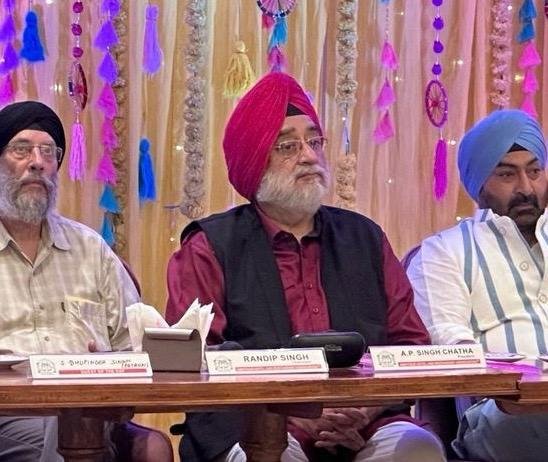
Punjab, known for its rich culinary heritage and vibrant culture, faces significant challenges in its restaurant industry due to stringent liquor policies. While the state has enormous potential to become a gastronomic hub, the current regulations surrounding alcohol sales are stifling growth and innovation in the sector. Mr. AP Singh Chatha, President of the Amritsar Hotel & Restaurant Association (AHARA), Civil Lines, speaks on how Punjab’s liquor policy is a major hindrance to the restaurant industry’s boom.

The High Cost of Liquor Licenses
One of the most significant obstacles for restaurateurs in Punjab is the exorbitant cost of liquor licenses. Mr. Chatha explains, “Unlike other states where liquor licenses are more affordable and accessible, Punjab’s fees are prohibitively high. This financial burden discourages many potential restaurant owners from entering the market, thus limiting the diversity and number of dining options available to consumers. For small and medium-sized enterprises (SMEs), the high cost of obtaining a license can be a deal-breaker, preventing them from competing with larger, well-funded establishments.”
According to Mr. Chatha, the rules for selling and distributing alcohol in Punjab are very complicated. Restaurant owners have to navigate a lot of bureaucratic steps and regulations, which consume time, money, and resources. “This complexity slows down the opening of new restaurants and adds ongoing costs for those already operating. As a result, the restaurant industry grows slowly, as owners are stuck dealing with regulations instead of focusing on providing great service and new dining experiences,” he asserts.
Contractors’ Supremacy
In Punjab, liquor contractors exploit their market dominance by charging exorbitant prices to standalone restaurants and smaller hotels for alcohol, significantly impacting their profitability. Mr. Chatha sheds light on this, “These contractors prioritize selling certain brands that yield higher profits, often at the expense of smaller establishments that lack the leverage to negotiate better deals. Meanwhile, only the large luxury hotels and high-end restaurants have the capability and permissions to directly import liquor, allowing them to bypass these middlemen and secure better pricing. When restaurant owners raise this concern and urge the government to allow them to procure liquor from contractors outside their assigned regions, their requests are consistently denied. This disparity creates an uneven playing field, where standalone restaurants struggle to compete due to inflated costs, ultimately affecting their business sustainability and growth.”
Limited Operating Hours
The restaurant and hospitality industry thrives significantly on nightlife, with peak business hours often extending into the late night. However, in Punjab, stringent operating hour restrictions pose a substantial obstacle to the sector’s growth. The limited time frame for serving liquor is particularly detrimental.
Mr. Chatha says, “In most regions, vibrant nightlife and late-night dining experiences are crucial revenue streams for restaurants and hotels. Patrons often seek out these establishments for social gatherings, celebrations, and unwinding after a long day, with alcohol sales playing a significant role in the profitability of these businesses. However, in Punjab, the restricted hours for serving liquor curtail these opportunities.”
 This limitation not only reduces the potential earnings for restaurants but also diminishes the overall nightlife experience. “With the inability to serve alcohol past a certain hour, restaurants face a sharp decline in customer retention and satisfaction. Patrons looking for a lively night out often choose to frequent establishments in regions with more lenient operating hours, leading to a loss of business for local venues,” he adds.
Furthermore, the lack of a vibrant nightlife in Punjab discourages tourism and the influx of visitors who contribute to the local economy. Tourists often seek destinations with a thriving nightlife, and the restrictions on liquor service make Punjab less appealing compared to other states where such limitations are absent.
Impact on Tourism
In Punjab, the stringent liquor policy has inadvertently given rise to a phenomenon known as “car-o-bar.” This term refers to the practice of individuals consuming alcohol in their cars due to the restrictive operating hours imposed on bars and restaurants. With the inability to enjoy a late-night drink in a social setting, many people have resorted to using their vehicles as makeshift bars.
Mr. Chatha continues, “Car-o-bar has become a common sight in Punjab, especially in urban areas where nightlife enthusiasts seek alternative ways to socialize and unwind after the official closing times of licensed establishments. This trend, however, brings with it a host of issues. Firstly, it undermines the regulated hospitality industry, diverting potential revenue away from bars and restaurants that already struggle under the weight of restrictive policies.”
Moreover, car-o-bar poses significant public safety concerns. Drinking in cars often leads to an increase in drunk driving incidents and other malpractices. Mr. Chatha notes, “The lack of a controlled environment, like a bar or restaurant with trained staff and security, means that consumption can easily spiral out of control, leading to dangerous situations. People who come from different parts of the country and world feel unsafe going out of their hotels late at night, which eventually affects restaurant businesses.”
The prevalence of car-o-bar also reflects poorly on the region’s image. It highlights a workaround culture that stems from overly restrictive policies rather than a vibrant and well-regulated nightlife. This often deters tourists and diminishes the appeal of Punjab as a progressive and attractive destination.
Call for Reform
The Amritsar Hotel and Restaurant Association serves as a vital intermediary between the government and stakeholders in the hospitality industry. As a collective unit representing numerous restaurants and hotels, the association wields significant influence, ensuring that the voices of these businesses are heard and respected by authorities.
Mr. Chatha elaborates, “One of the primary roles of the association is to facilitate the procurement of necessary licenses, streamlining the often complex and bureaucratic processes involved. Additionally, the association provides support in addressing various challenges that businesses may face, such as issues with contractors or other operational difficulties. Through its efforts, the association plays a crucial role in advocating for the interests of the hospitality sector, promoting a thriving business environment in Amritsar.”
There is a growing consensus among industry stakeholders that Punjab’s liquor policy needs urgent reform. Restaurateurs, hoteliers, and tourism experts argue that a more liberal and business-friendly approach to alcohol regulations would spur growth, attract investment, and enhance the overall dining and tourism experience in the state.
The President also highlights, “Proposals for reform include reducing the cost of liquor licenses, simplifying the regulatory framework, and extending operating hours for alcohol sales. By adopting these changes, Punjab could unlock the potential of its restaurant industry, driving economic growth and creating jobs. Furthermore, a thriving restaurant sector would complement the state’s cultural and historical attractions, making it a more appealing destination for tourists.”
BEST WISHES FROM

